What Is SEO? The Complete Guide That Will Push Your Business Up on Google and Bring You Warm Leads
In the digital era of 2025 (almost 2026), an online presence is no longer an advantage. It’s an absolute business necessity. Every Google search is a golden opportunity.
Every click is a potential new customer. You want potential customers to find you. They need to get to know you, trust you and, most importantly,
choose you and leave their details. Only then can you turn them into paying customers. This is exactly where SEO – Search Engine Optimization comes in. It’s the driving force that will turn your website into a well-oiled lead machine.
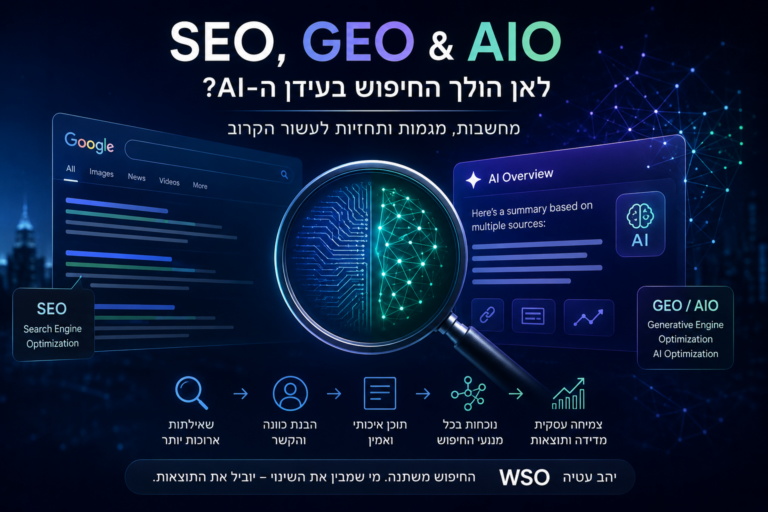
So what exactly is SEO? Simply put, it’s the art, science and strategy of making your website appear at the top of the organic (non-paid) search results of search engines. Think Google, Bing and even YouTube. When someone searches for a service, product or information you offer, you want to be the first and best answer. Your answer should make them click, stay and leave their details.
Why SEO isn’t just “nice to have” – it’s a critical business investment that brings leads!
Imagine Google as the digital main street. It’s the busiest in the world and open 24/7. You want your business located right in the heart of that street, with an inviting shop window and a prominent sign. You don’t want to be in a remote alley nobody knows about. SEO secures that location. With the following advantages, it simply changes the rules of the game:
- Organic traffic = leads with high purchase intent: Traffic from search engines is among the highest-quality traffic there is. These aren’t random visitors. These are people actively searching for a solution to a problem, a particular product or a specific service. That’s exactly why they typed the query in the first place. When they find you, they’re already at an advanced stage of the customer journey. This dramatically increases the chance that they’ll go from “just browsing” to a “warm lead” who leaves their details.
- Built-in credibility and authority – the secret that makes them trust you (and fill out a form!): When you appear at the top of the search results, you get a seal of quality from Google. Google is the most authoritative source in the world of information. It “recommends” you. It’s like a personal recommendation from a world-renowned professor. That credibility translates directly into customers’ trust in you. They trust your products or services. You’re perceived as an expert – a “guru” in your field. The higher the level of trust, the more likely a visitor is to invest their time and leave their details with you, instead of turning to an unknown competitor.
- A smart long-term investment that produces a steady stream of leads: Paid campaigns require an ongoing budget. They “switch off” when you stop paying. SEO is different. It’s like building a long-term digital asset. Once you achieve high rankings, you’ll enjoy a steady stream of traffic and leads at almost no extra cost per lead. It’s an investment that keeps paying for itself again and again, giving you a stable “pipeline” of potential customers over time.
- A deep understanding of the customer and how to get them to leave their details: The SEO process is really an in-depth lesson in understanding the customer. It forces you to dig deep. Understand how your customers think, what they’re looking for and which words they use. What are their “pain points”? This research improves your SEO strategy – and your entire business and marketing strategy. That includes writing precise calls to action that lead visitors straight to the form you want them to fill out.
How does Google decide who will be king and who will leave their details? Meet the secret ingredients of SEO
SEO isn’t a magic button. It’s a whole discipline combining technique, strategy and creativity. Google rankings are influenced by a huge range of factors (more than 200, by estimates). However, you can divide them into two main types every business owner must know:
On-page SEO: put your house in order (and make it inviting for leads!)
This is everything you can control directly on your website. It’s the foundation of every success. Think of your website as a salesperson working for you 24/7. You want it to be sharp and clear, and to know how to convert:
Keyword research – your compass that leads to the form
- What is it? Identifying the exact phrases and questions your potential audience types into search engines. It’s the first and most critical step.
- How do you do it right? Don’t just look for “single words”. Look for long-tail keywords. They express a specific search intent. For example: “how to fix a bathtub leak in Hadera” instead of “plumber”. Use professional tools like Google Keyword Planner, Ahrefs and SEMrush. Discover search volumes and competition.
- Why does it matter for leads? Understanding exactly what customers are looking for lets you create super-relevant content. Content like that answers their need precisely and points them directly to the solution – your product or service. When they find the answer with you, they’re more willing to leave their details.
Quality, juicy, relevant content – the main course that leaves them wanting more and drives action
- What is it? Content (text, images, video) that provides real value to the visitor. It answers their questions and offers solutions. It must be original, comprehensive, up to date and easy to read.
- How do you do it right? Write for people, not just for search engines. Use keywords naturally. Include subheadings, lists and short paragraphs. Make sure the content shows Expertise, Authoritativeness and Trustworthiness – Google’s E-A-T principles.
- Why does it matter for leads? Quality content builds trust and authority. The more value a visitor feels they got from your site, the more willing they’ll be to continue the conversation with you. Leaving their details is the next step. Content like that also increases time on site (dwell time), which Google sees as a positive signal.
Meta titles & descriptions – your business card with a reason to click
- What is it? The short texts that appear in Google’s search results – the blue title and the short description below it.
- How do you do it right? Make sure they include the main keyword. They should be short and to the point, and spark curiosity and clicks. Think about a call to action already here: “Discover how…”, “Get a free consultation…”, “Solve the problem now…”
- Why does it matter for leads? These are the few seconds you have to convince a visitor to click your link instead of a competitor’s. A successful click is the first step toward a lead.
Friendly site structure & navigation – the perfect roadmap to a lead
- What is it? The way the different pages on your site are organized and linked to each other.
- How do you do it right? Use a logical hierarchical structure. Create clear menus. Use internal links that connect relevant pages. This lets Google “crawl” your site easily.
- Why does it matter for leads? A visitor who arrives on your site needs to find what they’re looking for easily. Clunky navigation will make them leave quickly. Make sure the “conversion path” – the way from the first page to the contact form or purchase page – is short, clear and accessible from anywhere.
Page speed – time is money (and it’s the difference between an abandoned lead and a closed one)
- What is it? The time it takes for a page on your site to fully load for the user.
- How do you do it right? Optimize images. Use caching. Compress code and use a fast server. Check your site’s speed with tools like Google PageSpeed Insights.
- Why does it matter for leads? Studies show that every extra second of loading time reduces conversion rates. Today’s visitors are impatient. A slow site means abandonment – and a lead that never happens.
Mobile-friendliness / responsiveness – most important for smartphones (and that’s where most leads will come from)
- What is it? Your site’s ability to look and function optimally on every type of device – computers, tablets and above all smartphones.
- How do you do it right? Responsive design, text that’s readable without zooming, and buttons big enough to tap with a finger. Google has moved to “mobile-first indexing”, meaning it checks the mobile version of your site first.
- Why does it matter for leads? The vast majority of browsing and searches today happen on phones. A site that isn’t mobile-friendly won’t just rank lower – it simply won’t be usable for most visitors, and it certainly won’t get them to fill out a form. Make sure your forms are easy to fill out on mobile!
Off-page SEO: build a strong reputation outside your house (that leads to interest and conversions!)
These are actions that happen outside your website. They’re critical for building authority and reputation in Google’s eyes – and as a result, they bring leads:
Link building – golden recommendations that generate quality traffic and credibility
- What is it? Getting incoming links (backlinks) from other websites. Each such link counts as a “vote of confidence” or “recommendation” for your site.
- How do you do it right? Focus on quality links from authoritative, relevant sites in your field. Don’t focus on quantity – “spam” links can do harm. Strategies include creating content worth linking to (linkable assets), partnerships, media mentions and more.
- Why does it matter for leads? Strong links pass “power” (link juice) to your site. They improve your ranking and build your authority. The more authoritative you’re perceived to be, the more trust visitors referred to you will arrive with – and the more willing they’ll be to leave their details.
Social signals – people whispering your name (and soon leaving their details too)
- What is it? Likes, shares, comments and mentions of your content or brand on social platforms. Think Facebook, Instagram, LinkedIn, X (formerly Twitter) and TikTok.
- How do you do it right? Consistent organic activity, sharing relevant content, and creating conversation and interaction with your audience.
- Why does it matter for leads? “Social signals” aren’t a direct ranking factor. However, they increase exposure, bring traffic to your site and create buzz around your brand. More exposure = a better chance that someone will reach your site and see your call to action.
Local SEO – when location is everything (and local customers are closer to the form)
- What is it? Optimizing your presence on Google Maps and in local search results. For example: “computer repair lab in Hadera” or “birthday cakes near me”.
- How do you do it right? A complete, accurate and up-to-date listing on Google My Business (Google Business Profile). This includes opening hours, photos, categories and services. Collect positive reviews from customers. Keep your NAP (Name, Address, Phone) details consistent across all platforms.
- Why does it matter for leads? When a potential customer searches for a nearby business, they already have “one foot in the door”. They need an immediate, nearby solution. Appearing prominently in local results with a quick contact option (phone, message) significantly increases the chance of an immediate lead.
Call to action: don’t wait – start generating quality leads today!
SEO isn’t a magic solution that works overnight. It requires patience, consistency and commitment. Google’s algorithms change all the time (there were dozens of updates in the last year alone!). Your competitors aren’t sleeping. That’s why you need to be ready to analyze, optimize, improve and adapt your strategy continuously. Always think about how to turn the next visitor into a paying lead.
Don’t wait for your competitors to jump to first place and collect all the leads! Start building your digital authority today. Do deep, lead-focused keyword research. Create amazing, relevant content that provides value. Build quality links from authoritative sites. Make sure your site is friendly to both Google and visitors – and that it’s easy to navigate and to leave your details.